Technology has become the cornerstone of sustainable marine development, enabling governments, researchers, and industries to manage ocean resources more efficiently while minimizing environmental impacts. From artificial intelligence to satellite observation, digital innovation is transforming every aspect of the Blue Economy.
Artificial Intelligence in Marine ManagementArtificial Intelligence enables researchers to process enormous amounts of marine data within minutes. AI systems can identify pollution sources, monitor fish populations, detect illegal fishing activities, and predict environmental changes before they become critical.
- Real-time marine monitoring.
- Predictive environmental analysis.
- Smart fisheries management.
- Automated decision support.
These technologies improve efficiency while reducing operational costs and environmental risks.
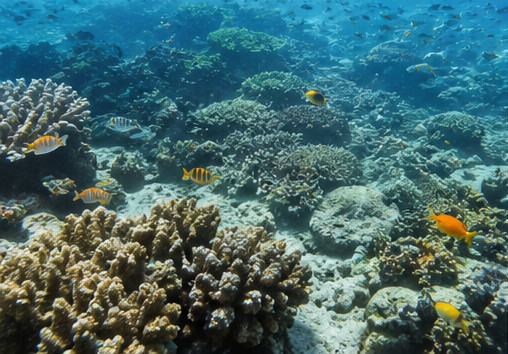
Remote Sensing and Satellite TechnologiesModern satellites provide continuous observation of oceans, coastlines, and marine ecosystems. Scientists can monitor sea surface temperatures, ocean currents, coral reefs, and pollution events with remarkable accuracy.
- Satellite ocean observation.
- Climate monitoring.
- Coastal mapping.
- Environmental risk assessment.
The availability of accurate satellite data supports evidence-based policymaking and sustainable marine planning.
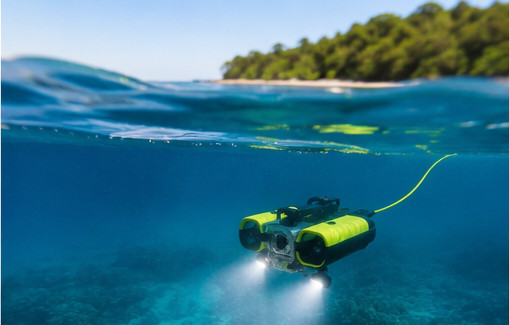
Marine RoboticsAutonomous underwater vehicles and remotely operated robots allow researchers to explore deep-sea environments that were previously inaccessible. These systems collect scientific data while reducing operational risks and costs.
- Deep-sea exploration.
- Infrastructure inspection.
- Marine biodiversity surveys.
- Ocean floor mapping.
Marine organizations increasingly rely on cloud computing and big data analytics to integrate information from sensors, satellites, ships, and research centers. These digital platforms improve collaboration between governments, universities, and private companies.
Access to reliable data enables faster responses to environmental emergencies and supports long-term sustainable planning.
Innovation for Future GenerationsTechnology will continue driving the transformation of marine industries by improving resource efficiency, protecting biodiversity, and supporting sustainable economic growth. Investing in research, digital infrastructure, and innovation ensures healthier oceans and stronger coastal communities for generations to come.