Protecting Marine Ecosystems Through Innovation
Healthy marine ecosystems are the foundation of the Blue Economy. Oceans provide food, regulate the global climate, support biodiversity, and sustain millions of jobs around the world. However, pollution, climate change, overfishing, and habitat destruction threaten the long-term health of marine environments. Innovation is becoming one of the most powerful tools for protecting these valuable ecosystems while ensuring sustainable economic development.
Monitoring Marine EnvironmentsModern monitoring systems provide scientists with real-time information about ocean conditions. Advanced sensors, satellites, underwater drones, and smart buoys continuously collect environmental data that helps researchers identify changes before they become major environmental problems.
- Real-time water quality monitoring.
- Satellite observation of marine ecosystems.
- Autonomous underwater vehicles.
- Early detection of pollution events.
Continuous monitoring enables governments and environmental organizations to respond quickly and reduce environmental damage.
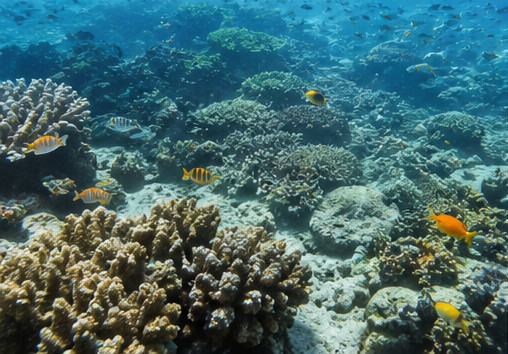
Protecting Marine BiodiversityMarine biodiversity is essential for healthy oceans and sustainable fisheries. Scientists use advanced technologies to study coral reefs, endangered species, and marine habitats while developing conservation strategies based on scientific evidence.
- Coral reef restoration.
- Monitoring endangered species.
- Habitat conservation.
- Marine protected areas.
Protecting biodiversity strengthens ecosystem resilience and supports long-term economic sustainability.
Reducing Marine PollutionPlastic waste, oil spills, and industrial pollution continue to threaten oceans worldwide. Innovative cleanup technologies, AI-powered monitoring systems, and automated collection devices are helping reduce pollution and restore damaged ecosystems.
- Smart waste collection systems.
- Oil spill detection technologies.
- Plastic recycling initiatives.
- Environmental monitoring platforms.
Public awareness, education, and community participation are essential for protecting marine environments. Governments, universities, NGOs, and private companies increasingly collaborate to promote sustainable marine practices and encourage responsible use of ocean resources.
Looking AheadThe future of marine conservation depends on innovation, international cooperation, scientific research, and environmental responsibility. By investing in advanced technologies and sustainable policies, societies can preserve marine ecosystems while supporting economic growth and ensuring healthy oceans for future generations.